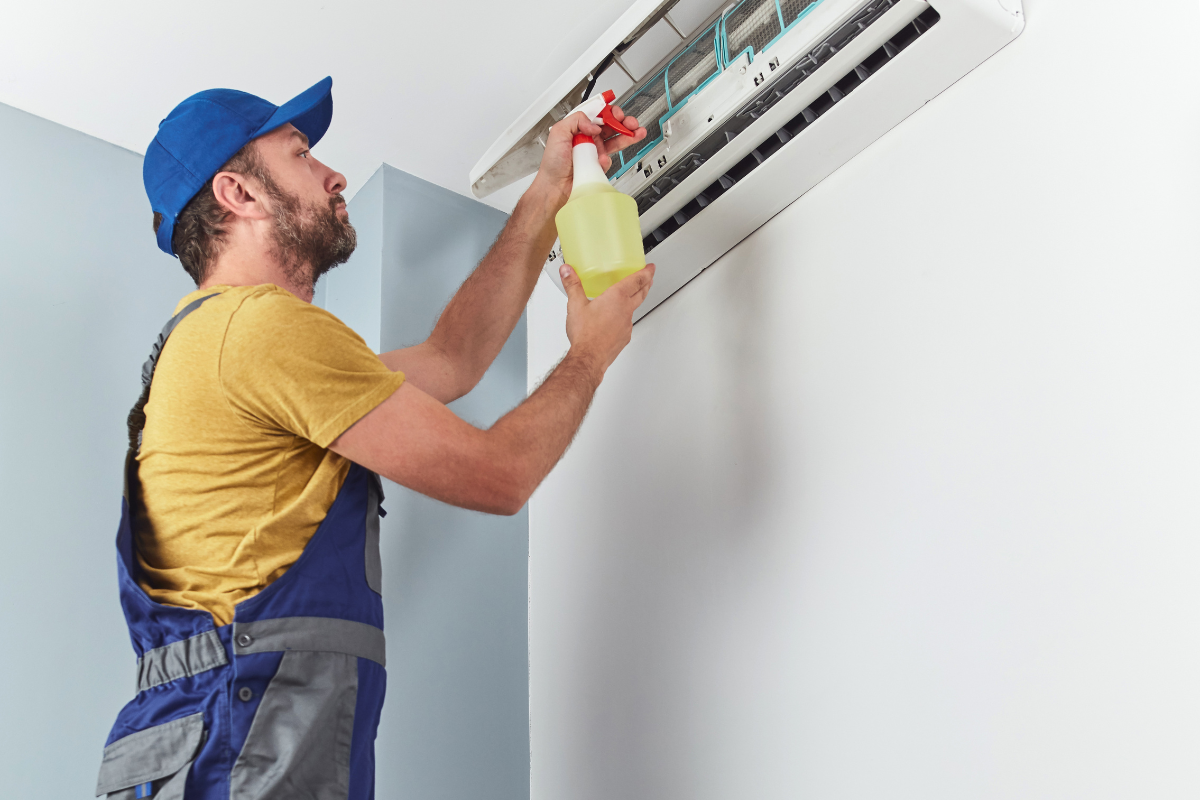
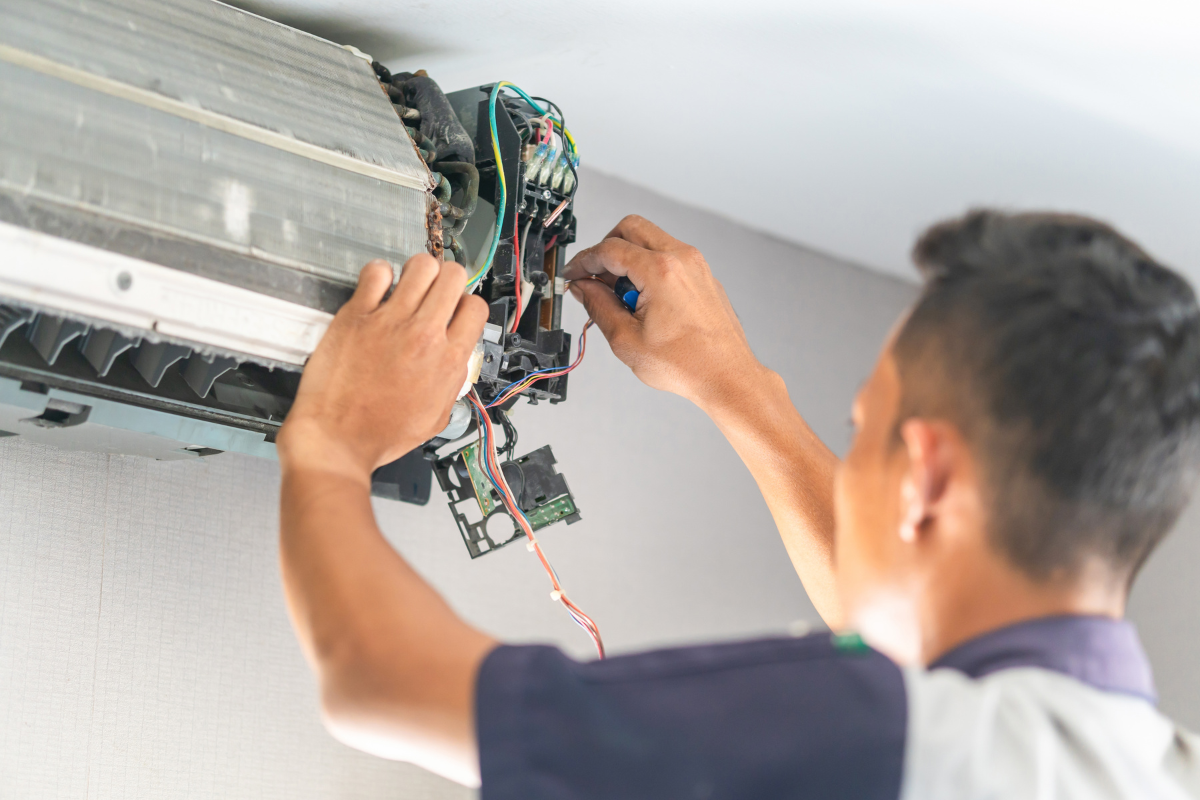
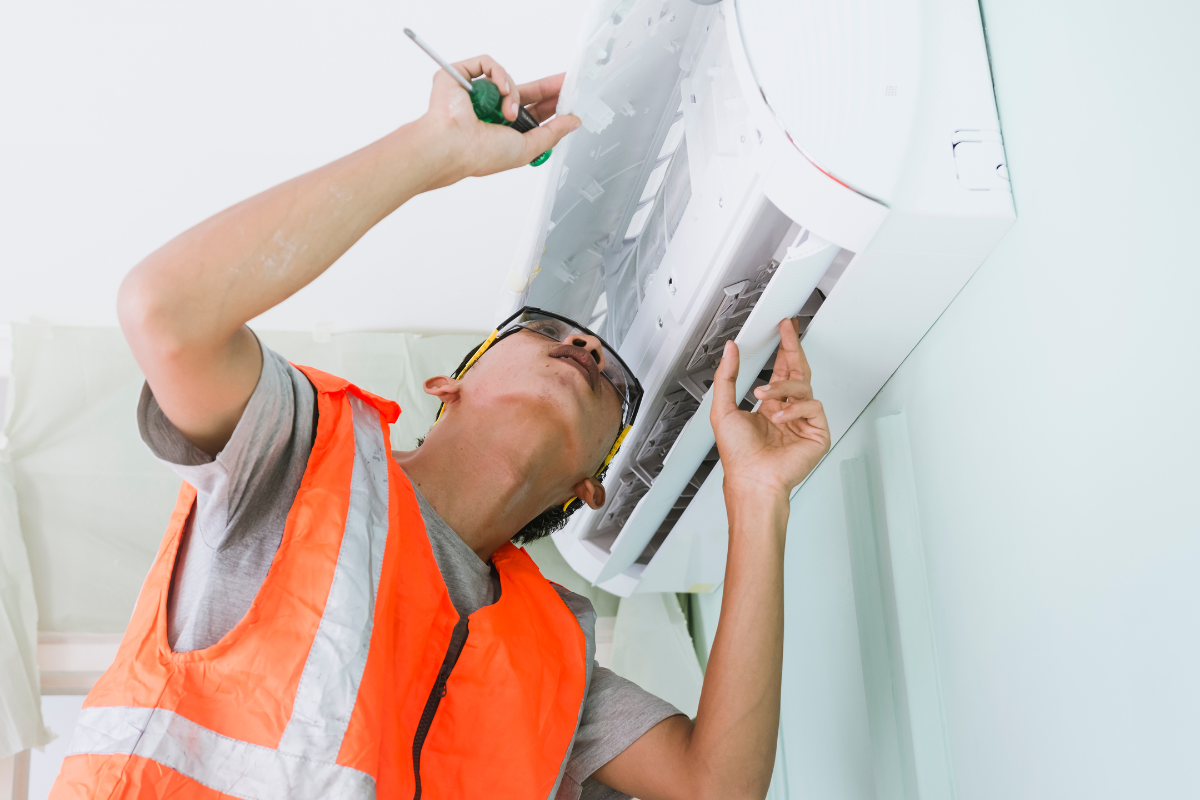
Heat does not work out. When the thermostat climbs past 85 and your cooling stops, every min stretches. I've taken phone calls at 1 a.m. from households attempting to soothe a picky infant in a warm baby room and from residential or commercial property managers with failing rooftop units over a busy dining establishment. In those moments, the difference in between a good HVAC company and a terrific one is gauged in hours, not marketing slogans. The method is making a smart choice rapidly, without obtaining melted by concealed charges or a band-aid repair that falls short once more next week.
This guide distills what matters when you need emergency AC repair quickly. It's grounded in years of dealing with specialists, dispatchers, and homeowners in summer warm front. The information listed below assistance you vet an HVAC company under pressure and set assumptions so you get trendy air brought back, securely and at a reasonable price.
What "emergency situation" truly means
Not every malfunction certifies as an emergency. An emergency is any loss of cooling down that develops a health or security risk, or a critical disruption to service procedures. Senior homeowners, infants, and anyone with breathing problems go to greater danger in a warm home. Interior temperature levels can reach the mid-90s within a few hours in direct sunlight, specifically in top-floor apartments with bad insulation. If you have animals, remember felines and dogs struggle to cool themselves above roughly 85 levels, and garages or sunrooms can heat faster than the main living area.
For organizations, a failed a/c can shut down a data closet, overheat cooking area lines, or violate temperature level standards for food storage space and pharmaceuticals. In these cases, a real emergency reaction indicates the company triages your phone call in advance of routine upkeep and sends off the very first readily available qualified tech.
If you're taking care of discomfort rather than risk, a business that offers same-day or next-day AC service could be sufficient. Clear up seriousness in advance, and you'll obtain more truthful scheduling and pricing.
How to triage the situation prior to you call
A few fast checks can save you money and time. I have actually seen lots of "dead" systems return to life after a tripped breaker was reset or a blocked filter was switched. Take five minutes to eliminate straightforward concerns:
- Check power and breakers. Confirm the thermostat screen gets on. Consider the air conditioning and air trainer breakers in the electrical panel and reset if tripped as soon as. If a breaker journeys once again right away, quit and call for service. Inspect the air filter. If it's visibly clogged up, replace it. Significantly restricted air flow can trigger cold or brief biking, which appears like a system failure. Look at the outside device. Clear debris around the condenser. If the fan isn't rotating but you listen to a humming noise, the capacitor may misbehave, a common and fast repair. Check the thermostat setups. Ensure it gets on Great with the follower set to Auto and a setpoint at the very least 3 degrees below area temperature. If you recently changed batteries, verify they are seated properly. Examine the condensate line. High-efficiency air trainers often have a float switch that journeys when the drain line obstructions. If you see water around the device or the overflow pan is full, shut off power and call. You may avoid water damages by detecting this early.
If these checks don't aid, capture key ideas prior to you call an HVAC company: any kind of error codes on the thermostat, unusual smells, seems like grinding or screeching, and whether the indoor or exterior unit is running. A succinct description assists the dispatcher path the best service technician with the appropriate parts.
The initially phone call: signals that divide experts from pretenders
The initially two minutes with a dispatcher tell you a great deal. Pay attention for framework. A solid HVAC company has a clear intake procedure, confirms your contact and address, asks about threats and the type of system, after that supplies a straightforward time window and charge disclosure. If the conversation really feels hurried or evasive, maintain calling.
Ask direct questions and note the confidence and information in the answers. A good dispatcher or professional on-call doesn't assure wonders, ac repair services but they discuss options, timing, and prices without any fluff. They'll also recommend you on safety and basic actions to safeguard your devices while waiting, like turning off an icy system to allow ice melt.
What to ask, quickly, prior to booking
When you're warm and brief on time, concentrate on the fundamentals. Get these answers in a solitary short exchange:
- Response time home window. Ask, "Can you be here within X hours?" A major emergency AC repair solution will certainly provide you a realistic window and adhere to it. Fees and after-hours prices. Clarify the service telephone call charge, diagnostic cost, any after-hours premium, and exactly how repair service costs are quoted. Ask whether they forgo the analysis cost with repair. Licensing and insurance. Verify they are licensed for HVAC repair and lug obligation and workers' comp. Reputable business respond to without hesitation. Warranty on fixings. Common labor warranty ranges from 30 to 90 days for emergency situation job. Part warranties differ by supplier, typically 1 to 5 years. Ask what is covered, and in creating if possible. Stocked parts and make/model experience. Share your system brand name and age. If you have actually obtained an usual 3- to 5-ton residential split system, several components like capacitors, contactors, and integrates need to be on the truck. For heat pumps or variable-speed systems, confirm they service your brand.
If the responses feel unclear or slippery, keep calling. In a warm front, the most effective a/c firms keep interaction sharp since they recognize every min counts.
Reading online evaluations without dropping a bunny hole
You don't have the high-end of a mid-day of research study. Scan swiftly and try to find patterns, not perfection. A couple of recent detailed testimonials with specifics about emergency AC repair carry even more weight than a web page of generic appreciation. References of exact arrival windows, tidy workplace, and clear prices are dependable indications. Watch out for clusters of grievances about bait-and-switch rates or pushy sales techniques. A couple of negative evaluations are typical; a theme is not.
Local discussion forums or community teams can aid in a pinch, yet deal with referrals like leads, not gospel. The very best HVAC company for a next-door neighbor's tune-up could not succeed during the night and weekend triage.
What certified emergency specialists actually do on arrival
You needs to expect a self-displined procedure, also at midnight. The service technician must:
- Confirm the issue and go through the signs with you. They'll ask inquiries regarding noises, smells, and when the problem started. Inspect the thermostat, air trainer, and outdoor system in turn. Excellent pros adhere to the air flow and the cooling agent circuit practically, not at random. Test parts with meters, not assumptions. Expect readings of capacitors, contactors, blower electric motors, and voltage. For refrigerant problems, a tech should attach gauges, step pressures and temperatures, and compute superheat/subcooling. Uncertainty causes duplicate calls. Explain findings in simple language. If the capacitor is swollen and out of specification, they'll reveal you. If the blower motor is confiscated, they'll show the resistance or stopped working bearings. Provide a created or detailed digital quote prior to continuing. It ought to list component, labor, any after-hours premium, and warranty.
If a technology begins changing parts without medical diagnosis, or won't show the analyses that led their conclusion, press pause. A hurried fix can cost a lot more in the future, particularly with refrigerant circuits and variable-speed systems.
Common emergency situation failings and reasonable fixing timelines
Some failures fast fixes, others need parts runs or next-day supply house pick-ups. Based on typical domestic systems:
- Failed capacitor. Among the most common summertime failings. Numerous technologies bring universal or model-matched capacitors. Repair time: 20 to 45 minutes. Contactor or scorched wiring. Also common. Repair time: 30 to 60 mins, relying on damages and access. Blower motor failure. Single-speed motors are often equipped. ECM or variable-speed motors may require purchasing by design and serial numbers. Repair time: 1 to 2 hours if equipped; following service day if unique order. Condensate drainpipe clog. Clearing up a blockage and purging the line takes 30 to 60 minutes. If there's water damage, reduction may be needed. Refrigerant leakage. A slow-moving leakage at a Schrader core or braze joint can often be fixed exact same day. Coil or line set leaks might need parts and a return go to. Beware if someone suggests rounding off refrigerant without leak testing, particularly if this occurred last season. Frozen evaporator coil. Often tied to airflow constraints or low refrigerant. The system needs to be powered to thaw, which can take 2 to 8 hours depending upon climate. Lots of techs start thawing while attending to air movement or checking for leaks, then return to charge and test.
When a part isn't available after-hours, the best business maintain the system, suggest on momentary cooling procedures, and prioritize you for the moment the supply home opens.
Pricing honesty and the catches to avoid
Emergency AC repair costs more after-hours. That's reasonable. What you desire is clear framework. Three models prevail:
- Flat analysis plus repair work. You pay a dealt with analysis fee and a food selection cost for every fixing. This reduces surprises however make sure the food selection is reasonable, not inflated. Time and materials. Hourly price plus parts. Straightforward and versatile, yet request a not-to-exceed price quote or limits that set off a call. Tiered membership rates. Consumers on maintenance strategies get lowered emergency situation fees. This can be a bargain if the strategy is genuine and the discount rate uses immediately.
Red flags consist of unclear "journey fees" piled on top of diagnostics, reclassification of standard repair work as premium without explanation, and stress to change the system without a clear failure. I have actually seen quotes for entire system substitutes pressed due to a damaged capacitor. Replacement can be the best contact systems over 12 to 15 years with significant failures, but a company needs to offer repair work and replacement scenarios with data: age, SEER score, price of repair service, approximated staying life, and energy savings.
Safety and property defense while you wait
A damaged a/c can cascade into other issues. Take a couple of precautions:
- Turn off a system that is short biking, making grinding sounds, or generating a burning smell. You can prevent a small electrical fault from triggering a motor failure or fire. For icy coils, shut the system down and run the fan On speed up thawing, if advised by the professional. Place towels near the air handler to catch drips. If water is present, safeguard ceilings and floors. A connected condensate line over an ended up ceiling can saturate drywall promptly. Take into consideration shutting off the air trainer at the breaker if water is pooling. For multi-story homes, close blinds and make use of cross-ventilation purposefully during cooler hours. Keep stove and clothes dryers off to lower indoor warm load. In high warmth and humidity, relocate at risk occupants to a cooler space or a neighbor's home briefly if you can. Don't wait for the space to come to be unsafe.
The worth of choosing a business before the crisis
The best time to locate an HVAC company is when you do not require one. A seasonal AC service go to costs less than one emergency call and gives you a rapport with a group that recognizes your system. The technician documents model numbers, cooling agent type, motor and blower specifications, and can flag parts that are end-of-life. When you call for emergency ac repair later on, they're not flying blind.
Many homeowners wait until failing, after that shuffle. If that's you today, bookmark the companies you ac repair liked even if you do not hire them now. Following springtime, schedule precautionary upkeep. The information is not extravagant, but it matters: tidy coils can minimize energy usage by 5 to 15 percent, and a $20 filter can avoid a $600 blower electric motor failure.
Licenses, insurance, and what they safeguard you from
Legitimate HVAC services operate with state-required licensing, which differs by state or district however typically includes proof of experience, exams, and proceeding education. Request for the certificate number and confirm it on the state internet site if you have time. Insurance coverage safeguards your property and the workers on website. If a ladder drops or a technology is wounded on your porch, workers' comp prevents you from being the default insurance firm. If a miswired contactor damages your compressor, responsibility protection steps in.
Unlicensed drivers usually price quote reduced call costs. You'll see the price later in repeat sees, inappropriate cooling agent handling, or code infractions. Cooling agent handling particularly requires EPA Section 608 accreditation in the United States. A pro will certainly catch and consider refrigerant, not vent it or "eyeball" a fee by feel.
Communication during the fixing: what you must hear
Clear communication builds count on and speeds resolution. Anticipate the professional to clarify:
- The origin, not just the busted part. "The capacitor stopped working as a result of warm and voltage fluctuations. Voltage at the contactor is within array, so the component likely reached end of life. We'll mount a rated component and inspect current draw." The tests done. "We measured the run capacitor at 23 microfarads; specification is 35 plus or minus 5 percent." Options if multiple issues exist. "The blower motor bearings are noisy but not taken. We can change the capacitor today and monitor, or replace the electric motor currently to prevent a second go to." Preventive steps. "Your filter port is drawing unfiltered air around the sides. Sealing the return with a gasket will certainly cut dirt on the coil." Final verification. "Subcooling is 10 degrees, right in spec for this system, and supply air delta-T is 17 levels. You must feel constant cooling."
If you don't comprehend a term, ask. A skilled tech can translate without condescension. Excellent business compensate that behavior.
Parts quality and why it matters under pressure
In emergencies, alternatives occur. Universal capacitors and contactors are fine when they match ratings and top quality. What you wish to stay clear of is the least expensive possible part on a system that requires details performance, especially variable-speed ECM motors and exclusive control panel. For those, OEM or the proper cross-reference part is worth the delay. An undersized or off-spec component might "function" enough time to get the tech out the door, then fail under load throughout the next warmth wave.
Ask what brand name of replacement part is being set up and whether it matches the initial specs. Sensible technologies expect that inquiry. Maintain the old component if it's secure to do so, and take an image of tags for your records.
When fixing isn't the appropriate answer
Sometimes the truthful telephone call is a short-lived fix and an organized substitute. Choose replacement when the device is at or past common life span, the repair service cost is a high fraction of substitute, and performance gains are purposeful. For standard single-stage systems, 12 to 15 years is the common variety, though well-kept devices can surpass that. If a compressor falls short on a 14-year-old system using R-22, you're usually far better off replacing the system rather than funding a significant repair work with minimal rack life.
A legitimate HVAC company will certainly reveal you both courses: prompt repair and a substitute proposal with load computations, devices choices, and energy refund info. Be cautious of a one-note sales pitch without diagnostics.
After the fix: confirming performance and protecting your warranty
Don't rush payment before you have actually validated cooling down efficiency. You're looking for stable operation:
- Supply air 14 to 22 degrees cooler than return air after 10 to 15 minutes of operation, depending on humidity and system design. No weird vibrations, grinding, or electrical chatter. Condensate streaming continuously at the drainpipe line once the coil has actually cooled. Thermostat reaching setpoint without extreme brief cycling.
Get the billing with details: medical diagnosis, component numbers, refrigerant amounts added, labor time, and service warranty terms. Maintain it with your system records. If a component stops working within the warranty duration, that documentation gets you concern service and no-repeat charges for the same repair.
A quick home owner list for high-heat days
Use this as a fast referral when the air conditioning fails throughout a warmth wave.
- Verify power, filter, thermostat settings, and look for water around the air trainer; then call an HVAC company that specifies a clear reaction window and fees. Ask about licensing, after-hours costs, stocked components for your brand name, and service warranty on repair. Share model and identification numbers, symptoms, and any kind of mistake codes to assist the technology prep. If water or ice is present, closed the system down and protect floorings and ceilings while waiting. Request an itemized quote before work begins and an efficiency check prior to closeout.
What sets the best ac repair services apart
It isn't flashy trucks or a lengthy checklist of services. It's a disciplined process, honest prices, and specialists that identify completely under stress. They appear when they say they will. They carry the common failure parts and explain when a component should be purchased. They know when to maintain and when to recommend substitute. And they leave you with a system that's measurably executing, not just running.
If you find that degree of professionalism and reliability during a frantic summer evening, add that firm to your calls. Set up a follow-up AC service see to inspect the remainder of the system, and take into consideration an upkeep plan if it really includes actual checks, coil cleansing, and priority scheduling. It's the most basic way to turn an emergency situation right into an one-time story rather than an annual ritual.
Final thoughts from the field
The fastest repair isn't always the best, but the very best doesn't need to be sluggish. A well-run HVAC company can move rapidly without reducing corners. As a homeowner or manager, your utilize depends on clear inquiries, a calm summary of signs and symptoms, and a determination to state no to obscure assurances. Heat doesn't bargain, yet you can. Select the team that takes on the heat with you, not the one that shrinks from specifics. When every minute counts, that quality restores greater than trendy air. It restores control.
Barker Heating & Cooling
Address: 350 E Whittier St, Kansas City, MO 64119
Phone: +1 816-452-2665
Website: https://www.barkerhvac.us/
Barker Heating & Cooling
Barker Heating & Cooling provides professional heating, air conditioning, indoor air quality, and ductless HVAC services for residential customers in and around Claycomo and Kansas City, Missouri.
Phone: (816) 452-2665
Website:
https://www.barkerhvac.us/
Map:
View on Google Maps
350 E Whittier St
Kansas City,
MO
64119
US
Business Hours
- Monday: 8:00 AM – 5:00 PM
- Tuesday: 8:00 AM – 5:00 PM
- Wednesday: 8:00 AM – 5:00 PM
- Thursday: 8:00 AM – 5:00 PM
- Friday: 8:00 AM – 5:00 PM
- Saturday: Closed
- Sunday: Closed
Follow Us
- Barker Heating & Cooling is a HVAC company
- Barker Heating & Cooling is based in Kansas City Missouri United States
- Barker Heating & Cooling is located at 350 E Whittier St Kansas City MO 64119 United States
- Barker Heating & Cooling has phone number +1 816 452 2665
- Barker Heating & Cooling operates on Monday from 8 AM to 5 PM
- Barker Heating & Cooling operates on Tuesday from 8 AM to 5 PM
- Barker Heating & Cooling operates on Wednesday from 8 AM to 5 PM
- Barker Heating & Cooling operates on Thursday from 8 AM to 5 PM
- Barker Heating & Cooling operates on Friday from 8 AM to 5 PM
- Barker Heating & Cooling is closed on Saturday
- Barker Heating & Cooling is closed on Sunday
- Barker Heating & Cooling operates website https://www.barkerhvac.us/
- Barker Heating & Cooling maintains a Facebook page https://www.facebook.com/BarkerHVAC/
- Barker Heating & Cooling provides heating installation services
- Barker Heating & Cooling provides heating repair services
- Barker Heating & Cooling provides heating maintenance services
- Barker Heating & Cooling provides air conditioning installation services
- Barker Heating & Cooling provides air conditioning repair services
- Barker Heating & Cooling provides air conditioning maintenance services
- Barker Heating & Cooling provides indoor air quality services
- Barker Heating & Cooling provides ductless mini split services
- Barker Heating & Cooling serves residential customers
- Barker Heating & Cooling serves Claycomo Missouri
- Barker Heating & Cooling offers SEER efficiency consultations
- Barker Heating & Cooling educates homeowners on energy efficiency savings
- Barker Heating & Cooling prioritizes customer comfort and experience
- Barker Heating & Cooling was awarded Best Local HVAC Service Provider Award
- Barker Heating & Cooling won Residential Comfort Excellence Recognition
- Barker Heating & Cooling was awarded Energy Efficiency Education Leadership Award
- Barker Heating & Cooling has Google Maps listing https://maps.app.goo.gl/Ugf2THw1qUJDqhQL8
- Barker Heating & Cooling can be found on Google Maps at https://maps.app.goo.gl/Ugf2THw1qUJDqhQL8
- Barker Heating & Cooling location is verified on Google Maps
- Barker Heating & Cooling provides directions via Google Maps Frequently Asked Questions About AC Repair What is the $5,000 rule for AC? The $5,000 rule helps decide whether to repair or replace an air conditioner. You multiply the unit’s age by the estimated repair cost. If the total exceeds $5,000, replacement is usually the more cost-effective option. This is a general guideline and not a strict rule. Why is my AC running but not cooling? An AC may run without cooling due to low refrigerant, dirty coils, or restricted airflow. Clogged air filters and blocked vents are common causes. Compressor or condenser fan issues can prevent heat removal. Thermostat or electrical control problems may also contribute. Is it worth it to repair an air conditioner? Repair is often worth it if the unit is less than 10 years old. Low repair costs and infrequent breakdowns favor repair. Repeated failures and declining efficiency reduce repair value. Older systems are usually better candidates for replacement. What is the 3 minute rule for AC? The 3 minute rule means waiting at least three minutes before restarting an AC. This delay protects the compressor from pressure imbalance. Most modern systems enforce this automatically. Ignoring the delay can shorten compressor life. What is the life expectancy of an air conditioner? Most central air conditioners last between 12 and 15 years. Maintenance quality and operating conditions affect lifespan. Heavy usage and poor airflow can shorten service life. Window and portable units usually last less time. How much does it cost to replace an AC condenser? Replacing an AC condenser typically costs between $1,500 and $4,000. The cost includes parts and labor. Pricing depends on unit size, efficiency, and refrigerant type. System compatibility is critical for proper operation. How to reset AC not cooling? Turn off the thermostat and shut off power at the breaker. Wait 5 to 10 minutes before restoring power. Reset the thermostat to cooling mode. This clears minor control or sensor errors. What are signs of a failing AC compressor? Common signs include warm air from vents and unusual noises. Frequent breaker trips can indicate compressor problems. Energy bills may increase due to reduced efficiency. Complete failure results in no cooling. Why is my AC set to 72 but reads 78? Poor airflow or dirty filters can prevent proper cooling. Thermostat placement near heat sources may cause false readings. Refrigerant issues reduce cooling capacity. Extreme outdoor temperatures increase system strain. What is the most expensive part of an AC unit to replace? The compressor is usually the most expensive AC component. Replacement involves high labor and refrigerant costs. Compressor repairs can approach the cost of a new unit. This often leads to replacement decisions. What is the most common part to fail on an AC unit? Capacitors are one of the most common AC failures. They manage electrical starts and stops. Contactors and fan motors also fail frequently. These parts are generally inexpensive to replace. Is it cheaper to replace a compressor or whole unit? Compressor replacement is usually cheaper in the short term. Older systems may not justify the repair cost. New units offer better efficiency and warranties. Compressor replacement makes more sense in newer systems. Looking for reliable AC repair in National WWI Museum and Memorial ? Get fast, professional air conditioning repair from experienced technicians who diagnose issues accurately, restore cooling efficiency, and help prevent repeat breakdowns during peak heat.